Consolidation changes ownership — but it also changes leverage. As veterinary markets mature and labor supply expands, compensation durability becomes a structural question, not an emotional one. This analysis explores how consolidation cycles reshape bargaining power…
Consolidation changes ownership — but it also changes leverage. As veterinary markets mature and labor supply expands, compensation durability becomes a structural question, not an emotional one. This analysis explores how consolidation cycles reshape bargaining power…
Animal health is currently witnessing exponential growth in its start-up scene, with an increasingly large number of new businesses attracted to the sector every year. Dr Meghan E Burns used her skills as a veterinarian, communicator…
Everybody reading this article has likely had their life touched by cancer, either personally or through a friend, family member, or beloved pet. Cancer is something we all want to eradicate.
Owners often bring their pets to their veterinarian when they notice their companions are no longer as active as they once were. These dogs and cats often overweight by the time they present to their veterinarian.…
Veterinary medicine has come a long way in recent years, especially in cardiology, where a large volume of research is underway. Researchers and specialists are making strides in interventional cardiology, which uses advanced procedures and imaging…
The smell of the open road! It’s a staple of the summer travel season. Oh wait, are we behind a garbage truck? What’s that smell? Oh, no Fluffy got car sick! Let’s rewind. This all could…
As the number of heartworm positive animals has increased from 2013 to 2015, one thing is clear – although we have made great strides against heartworm disease, the veterinary profession still has yet to control its…
What if I told you and your veterinary customers that utilizing one program would allow you to increase client visits, decrease patient and client stress, decrease the potential for vet clinic staff injuries, and potentially decrease…
It’s all well and good when the medicine your veterinary customers prescribe does the trick the first time around. But, when owners are not compliant with treatment instructions, skin infections don’t respond to antibiotic therapy due…
In a recent study commissioned by Virbac Corporation, about half of pet owners surveyed reported that their veterinarian sells dental health products. However, these customers purchased only 14% of their dental products at the veterinary clinic…
Doberman pinschers are often considered the poster child for DCM. (Getty Images)We are all familiar with the pathophysiology-myocardial disease results in a progressive decrease in myocardial contractility and ventricular dilation. The cause in many cases has…
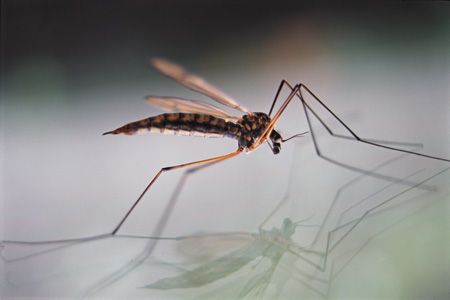
A new study investigates whether repelling mosquitoes may make a difference in the heartworm disease transmission cycle. Did you know that a flea preventive you have already been recommending for your veterinary patients may provide an…
(Getty Images)Whether a cat presents to your clinic with anorexia or develops it during hospitalization, you can take steps to manage each case while the cat is in your care. According to Susan Little, DVM, DABVP…
(Getty Images)Let’s be honest, extracting teeth does not send too many veterinarians in general practice leaping for joy. However, these practical tips from a presentation on dental extractions at CVC Virginia Beach by Matthew Lemmons, DVM,…
Time after time. (Getty Images)Frustrated by what is really significant when performing serum chemistry profiles? At CVC Kansas City, Craig Ruaux, BVSc (Hons), PhD, MACVSc, DACVIM-SA, an associate professor of small animal internal medicine at Oregon…
Chronic otitis: it’s a ruff situation for everyone (Photo: Shutterstock/Eric Isselee). Chronic otitis is at it again How do we prevent otitis from recurring? At CVC Kansas City, James Noxon, DVM, DACVIM (SAIM), reviewed the best…
Dr. Ettinger says B-cell lymphoma is most common in breeds like Doberman pinschers. Photo: Shutterstock.comWhere are we with the current state of canine lymphoma treatment? At a recent CVC, Sue Ettinger, DVM, DACVIM (oncology), offered veterinarians…
Osteoarthritis (OA) is the most common joint disorder diagnosed in dogs.1 OA is a term used to describe the process of joint cartilage degeneration. It is a chronic, progressive, and inflammatory disorder that results in articular…
Clients need to understand that there is no one magic pill to prevent degenerative joint disease (DJD) including osteoarthritis (OA) in dogs. However, there are many different means to slow the progression of the disease. One…
It can be difficult for pet owners to understand that the reason they are seeing behavior changes in their pets is due to an underlying medical issue that results in pain. Obtaining a thorough patient history…
Effective pain management is crucial to the practice of veterinary medicine, the client-doctor relationship, and to the quality of life of veterinary patients. In 2015, the American Animal Hospital Association (AAHA) and the Association of Feline…
Clients get the most knowledgeable advice about dental care from veterinary teams, and purchasing (and re-purchasing) dental products from you helps pet owners to successfully maximize their pets’ dental health. Here’s how to stay top of mind.
In a recent study commissioned by Virbac Corporation, about half of pet owners surveyed reported that their veterinarian sells dental care products. However, these customers purchased only 14% of their dental products at the veterinary clinic and 74% of dental health products at retail outlets.
Addressing this apparent discrepancy in consumer behavior could represent a significant revenue gain for your clinic. Get started with these three steps:
1. Highlight the differences. Eighty-seven percent of respondents stated that veterinarian recommendations had the most influence on their purchase of dental hygiene products. Use that influence to highlight the differences between the dental products you stock and grocery store brands and explain why these products are better at helping to remove plaque and reduce tartar. Emphasize the need for ongoing home dental care, and actively prescribe the products you recommend.
2. Focus on engaged pet owners. Pet owners that bring their dog to the clinic three or more times per year could arguably be identified as more engaged pet owners. Yet even this core group of clients buys 71% of their dental products outside the clinic. These clients are likely the most receptive to your advice since they already value your services and your expertise, so consider focusing your educational efforts and outreach to target them.
3. Make it easy to buy from you. About 50% of pet owners surveyed purchased dental products online. Consider partnering with a service to build an online pharmacy and offer these clients the option to re-order dental products online with you. Online pharmacy and home delivery service options can be supported by client communications that improve compliance, grow practice revenues, and simplify inventory management.
Your heart sinks when a veterinary patient comes into your clinic with signs that could be related to dilated cardiomyopathy. This is how to confirm that is what you are dealing with and some breed-specific factors that may come in to play.
Doberman pinschers are often considered the poster child for DCM. We are all familiar with the pathophysiology-myocardial disease results in a progressive decrease in myocardial contractility and ventricular dilation. The cause in many cases has not been determined and is, thus, considered to be idiopathic.
In a presentation on dilated cardiomyopathy (DCM) at the CVC in San Diego, Barret Bulmer, DVM, MS, DACVIM (cardiology), said that although the likely cause of this form of cardiomyopathy is genetically mediated, there are some conditions that will produce a secondary form of cardiomyopathy that must be ruled out before you can diagnose DCM. And you must differentiate other cardiac diseases that can manifest similar clinical signs. This article reviews the current diagnostic tests for confirming the disease and shares breed differences that may influence your clinical outcome.
Deliberate on those differentials
Since DCM is a diagnosis of exclusion, Dr. Bulmer says you must rule out the following conditions:
• Heartworm disease
• Pericardial disease
• Degenerative valvular disease
• Hypothyroidism
• Taurine insufficiency
• Doxorubicin toxicosis
• Primary arrhythmia (e.g. persistent supraventricular tachycardia) or congenital conduction abnormality (accessory pathway) that contributes to a DCM-like state
A new study investigates whether repelling mosquitoes may make a difference in the heartworm disease transmission cycle.
Did you know that a flea preventive you have already been recommending for your veterinary patients may provide an extra level of protection from heartworm disease you weren’t even aware of?
At an industry session sponsored by Ceva Animal Health at the Western Veterinary Conference in March, John McCall, MS, PhD, discussed the findings of his recent study funded in part by Ceva, offering a new perspective on heartworm disease transmission and its primary vector.
As the incidence of heartworm disease has increased from 2013 to 2015 and the geographical distribution has expanded, one thing is clear-heartworm disease is still prevalent. And although we have made great strides against it, the veterinary profession still has yet to control its spread.
The objective of Dr. McCall’s study was to answer the question: Does mosquito repellency help in the prevention of heartworm disease transmission?
What to say to clients
If you routinely receive the same objections to topical ectoparasiticide treatment from clients, here are some talking points to help:
Year-round heartworm prevention is still the primary recommendation from the American Heartworm Association.
Repellency in various topical ectoparasitic products now provides you an additional argument for why flea, tick and biting insect monthly preventive treatment is warranted.
When owners question the safety of the product, remind them that permethrin-impregnated bed nets and clothing on humans have been used for decades in malaria-endemic areas to reduce disease transmission.
9 tips to help cats in your veterinary clinic have less stress and more appetite to avoid feline anorexia.
Whether a cat presents to your clinic with anorexia or develops it during hospitalization, you can take steps to manage each case while the cat is in your care. According to Susan Little, DVM, DABVP (feline), during a presentation at the WVC Annual Conference, the first step is to understand what female anorexia is (and isn’t) and how it’s triggered.
Don’t miss these stress signals
Make note of the following information daily since many of these factors could indicate a stressed kitty (e.g. for muscle conditioning scoring, cats can lose muscle mass quickly and easily when sick or when their nutrition is inappropriate):
The old string around the tooth trick won’t work with your veterinary patients. But here are some tips to help you slam the door on your fears of tooth extraction.
Let’s be honest, extracting teeth does not send too many veterinarians in general practice leaping for joy. However, these practical tips from a presentation on dental extractions at CVC Virginia Beach by Matthew Lemmons, DVM, DAVDC, a veterinary dentist at MedVet Indianapolis, may take away some of your trepidation when excavating the oral cavity.
An oral overview
The indications for dental extraction are:
Periodontal disease
Fractured teeth
Tooth resorption
Treatment of malocclusion
Although the oral epithelium is very forgiving compared with other tissues, Dr. Lemmon says to go into a dental extraction with the following goals in mind:
Remove all dental tissue, including all of the tooth root.
Cause as little trauma as possible.
Be sure to be easy with soft tissue handling.
Oppose soft tissue tension-free so it heals quickly.
Reference range is relative; many factors come into play when interpreting findings of serial serum chemistries.
Time after time. Frustrated by what is really significant when performing serum chemistry profiles? At CVC Kansas City, Craig Ruaux, BVSc (Hons), PhD, MACVSc, DACVIM-SA, an associate professor of small animal internal medicine at Oregon State University’s College of Veterinary Medicine, discussed several reasons for variability in serum chemistry profile results in his lecture titled, “Let’s just monitor it: The pitfalls and problems with serial serum chemistries.” He said these reasons can be divided into three different categories:
Managing a one-time case of otitis is bad enough. Treating difficult cases? Insert exasperated sounds here. Don’t worry, we’ve got your back.
It’s a rough situation for everyone. Chronic otitis is at it again!
How do we prevent otitis from recurring? At CVC Kansas City, James Noxon, DVM, DACVIM (SAIM), reviewed the best practices of ear treatment, focusing on Pseudomonas species infections.
Make a proper diagnosis. This means to perform a thorough ear examination, an otoscopic examination, and key diagnostic tests. For example, according to Dr. Noxon, cytology is absolutely necessary to properly evaluate a patient with otitis.
Remove obstructions such as wax and hair.
Clean the ears before treating for the effectiveness of topical therapy.
Provide good client education.
Follow good principles of therapy-proper product, at the proper dosage, for proper frequency and proper duration.
Recurrence is usually due to failure of figuring out why the infection is there. Dr. Noxon says otitis is all about the what and the why-what is going on and why is it there. He says Pseudomonas species infections should be suspected when:
Ears are extremely painful
Mucopurulent discharge accumulates toward the outer part of canal
A single populace of rods is seen on cytology, especially gram-negative rods. Gram stains are recommended, and very helpful if rods are seen on cytology.
Everyday helpful information, whether you treat or refer your canine lymphoma cases.
Dr. Ettinger says B-cell lymphoma is most common in breeds like Doberman pinschers. Where are we with the current state of canine oncology treatment? At a recent Fetch Conference, Sue Ettinger, DVM, DACVIM (oncology), offered veterinarians some answers to that question.
First, Dr. Ettinger discussed longevity associated with treatment as indicated by clinical remission. Often, she says, owners are afraid to initiate cancer treatment because they don’t want to “poison” their dogs. She reiterates to these clients that dogs don’t get sick from chemotherapy-they get sick from cancer. While 80% of dogs do have side effects from treatment, treated dogs live significantly longer than dogs without treatment. Lymphoma treatment improves an animal’s survival time and quality of life.
Let’s review the basics.
As a refresher, here are a few facts about lymphoma:
10% to 25% of tumors in dogs are lymphoma.
80% of lymphoma cases in dogs are the multicentric form.
Most dogs with lymphoma (60-80%) are asymptomatic.
B-cell versus T-cell lymphoma is an important predictor of prognosis (see “Know your phenotype” below).
Pet owners all want to know what caused their dog’s cancer, Dr. Ettinger says. And the cause is multifactorial. Environmental causes, previous immunosuppression and genetics are all involved, but no direct cause has been established to date.
Here are some characteristics of multicentric lymphoma:
It’s the predominant cancer in general practice.
It has a rapid onset.
It’s most commonly node-based and also involves organs.
Patients often feel well at the time of diagnosis.
Osteoarthritis (OA) is the most common joint disorder diagnosed in dogs.1 OA is a term used to describe the process of joint cartilage degeneration. It is a chronic, progressive, and inflammatory disorder that results in articular cartilage damage as well as degenerative and proliferative changes in the joint.
Normal joint cartilage is composed of collagen and protein matrix that is produced, assembled, and maintained by a relatively small number of chondrocytes. Damage to articular cartilage may result from abnormal mechanical stress on the joint or an idiopathic phenomenon. These abnormal stresses can include congenital deformities, abnormal conformation, or trauma.
Disruption to the normal articular surface or joint instability can alter the normal wear pattern of joint cartilage and increase the turnover rate of the articular matrix. Even though this process is largely inflammatory in nature, it is accelerated by cytokines and prostaglandins released by synovial cells into the joint. The joint capsule then proceeds to thicken and periarticular osteophytes form in the body’s attempt to stabilize the joint.
OA is an insidious disease that can affect one or multiple joints. Initial clinical signs such as lameness and stiffness may only be evident after periods of overexertion or may worsen in cold and damp weather. Dogs with milder forms of the disease will have their owners report that their dog “warms out” of their lameness with mild exercise. As OA progresses, joint function is lost to fibrosis and pain, which in turn leads to exercise intolerance, profound lameness, and in severe cases, muscle atrophy.
Clients need to understand that there is no one magic pill to prevent degenerative joint disease (DJD), including osteoarthritis (OA) in dogs. However, there are many different means to slow the progression of the disease.
One of the most important preventative measures to joint disease progression is weight control. Helping pet owners to keep their pets at an ideal weight will help to decrease stress on their joints. Maintaining a lean body condition from an early age markedly minimizes DJD development in predisposed breeds.1 In overweight patients, weight loss alone, even a modest 6.1% to 8.85%, improves clinical signs of DJD.2
Regular low-impact exercise works hand in hand with maintaining an ideal body weight and benefits both the owner and the dog. Movement will help to keep joints lubricated and maintain muscle mass. If the pet becomes sedentary due to pain from DJD, they can rapidly lose muscle mass, which will help to increase the progression of the disease.